The Waiting Gardens of The North
15 July 2023 - 26 May 2024
Baltic Centre for Contemporary Art, Gateshead
Commissioned by Baltic in partnership with the IWM 14-18 NOW Legacy Fund
Built with the assistance of:
Hasani Cannon, Michael Davies, Anthony Downie, Pete Evans, Maryam Faridani, Erin Hayden, Peter Kellet, Trish Mayes, Kiersten Neumann, James Newrick, Ingrid Olson, Rosie Power, Annie Raccuglia, Deniz Turkoglu, Allie Wicks
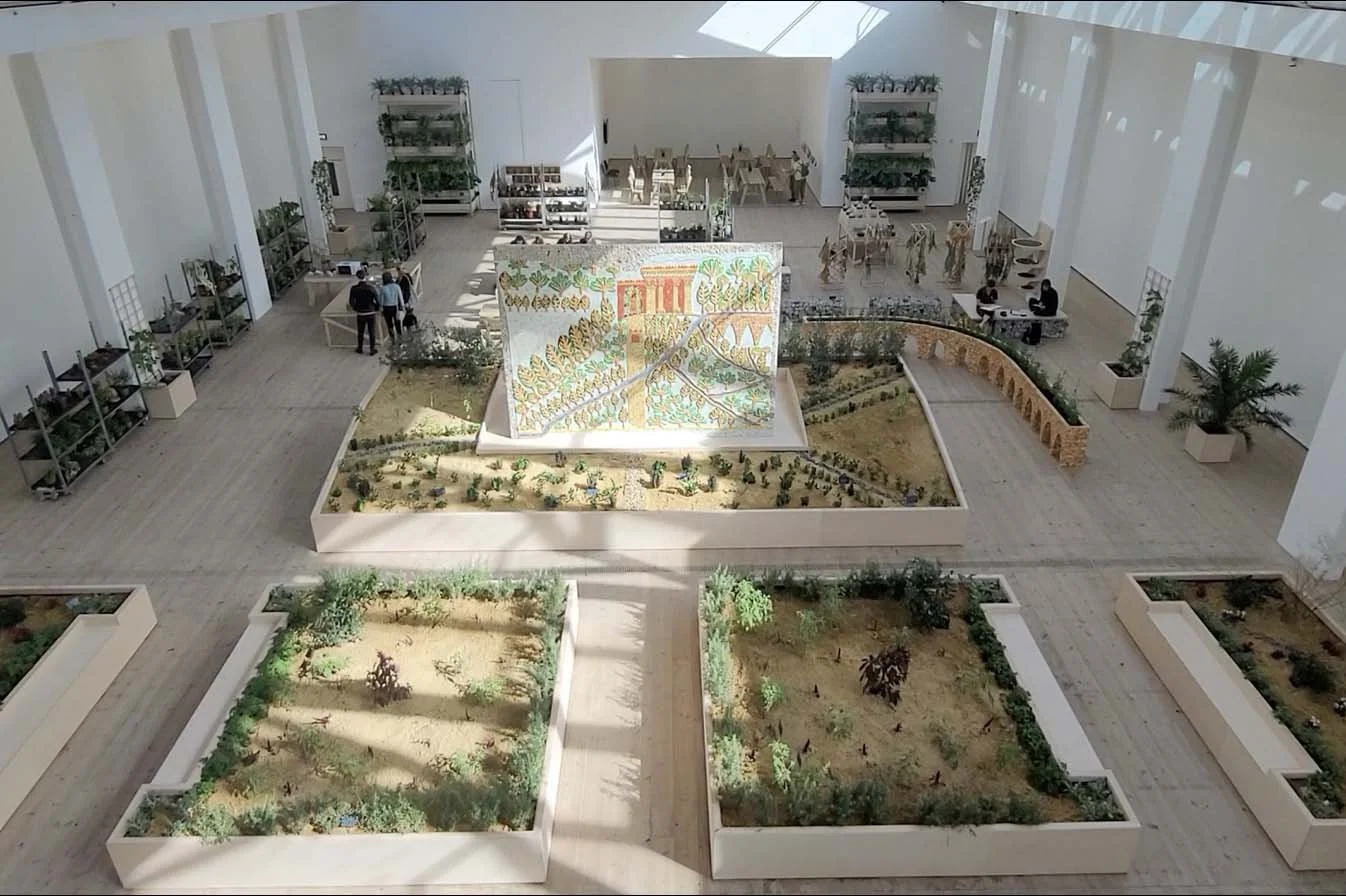
The Waiting Gardens of the North is an evolving indoor garden, born out of collaboration with residents of Gateshead and Newcastle who have experienced forced displacement. The garden amongst ruins acts as a metaphor for the overlapping histories of imperialism, war, displacement, trauma, and adaptation, that people, cultural objects, and plants carry with them.
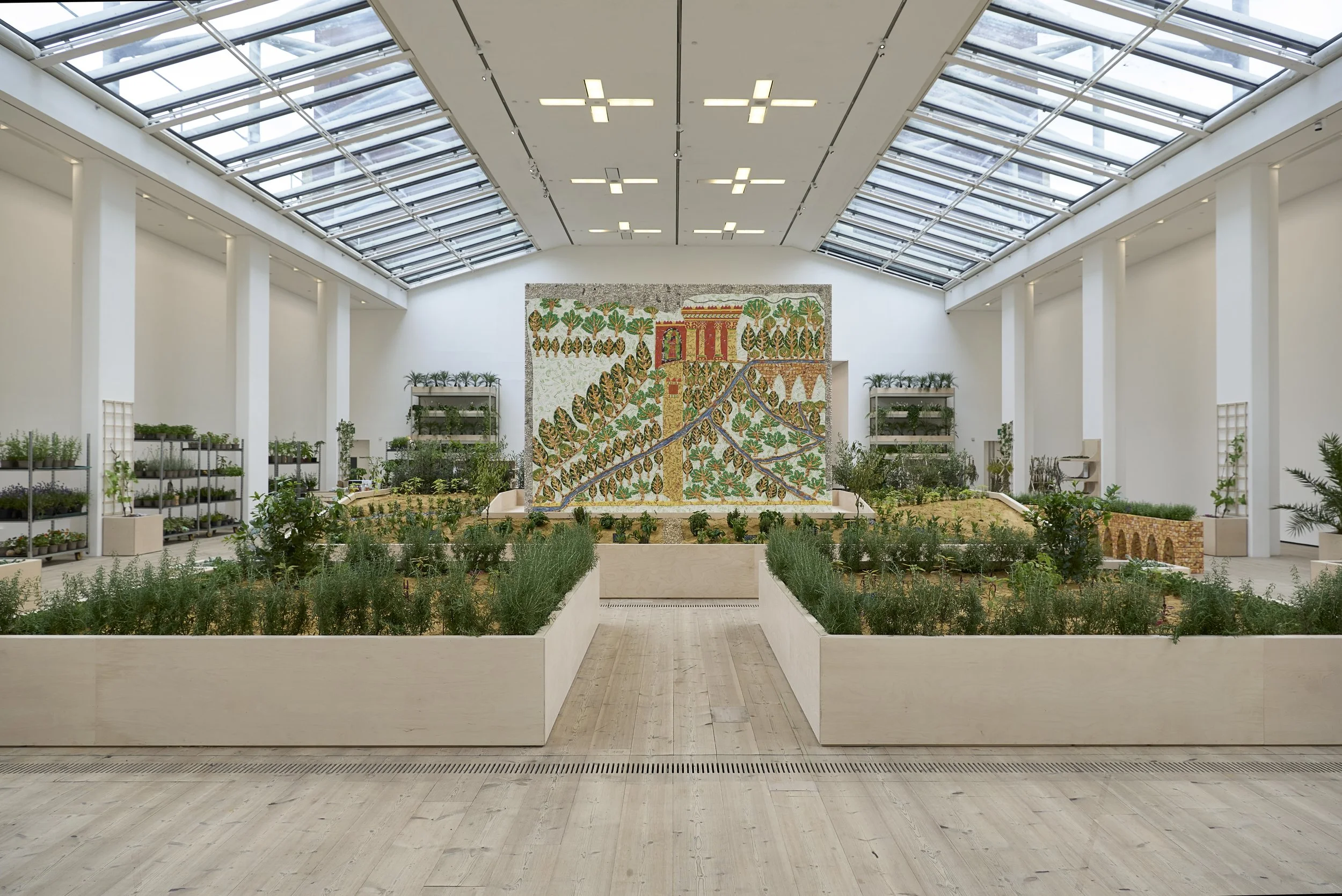
The installation is centred around a relief panel from the North Palace of Ashurbanipal (668–631 BCE) in Nineveh depicting the Assyrian gardens, believed to have preceded what is now known as the Hanging Gardens of Babylon. The original panel has been housed in the British Museum since 1856.
Read my letter from a garden here.
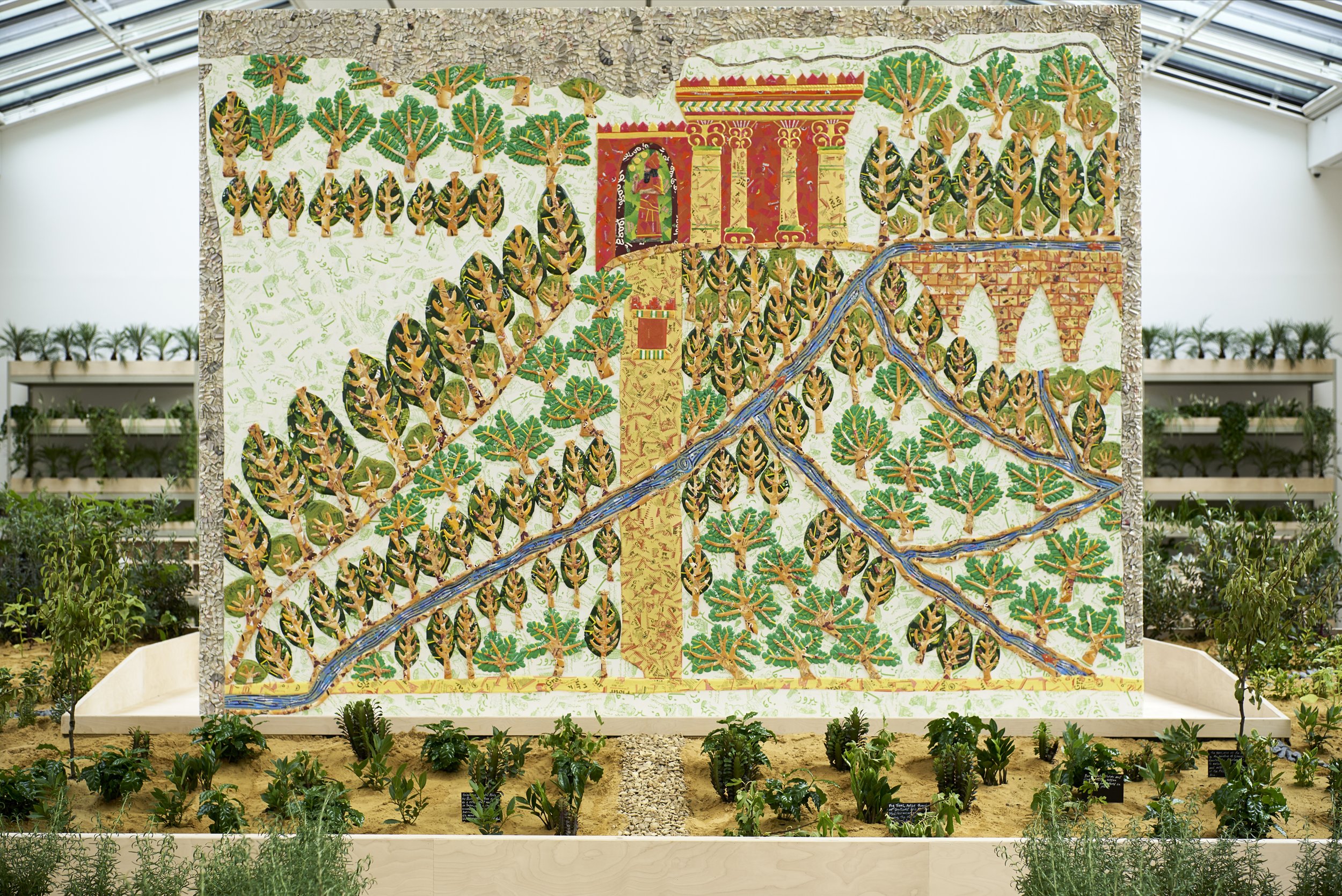
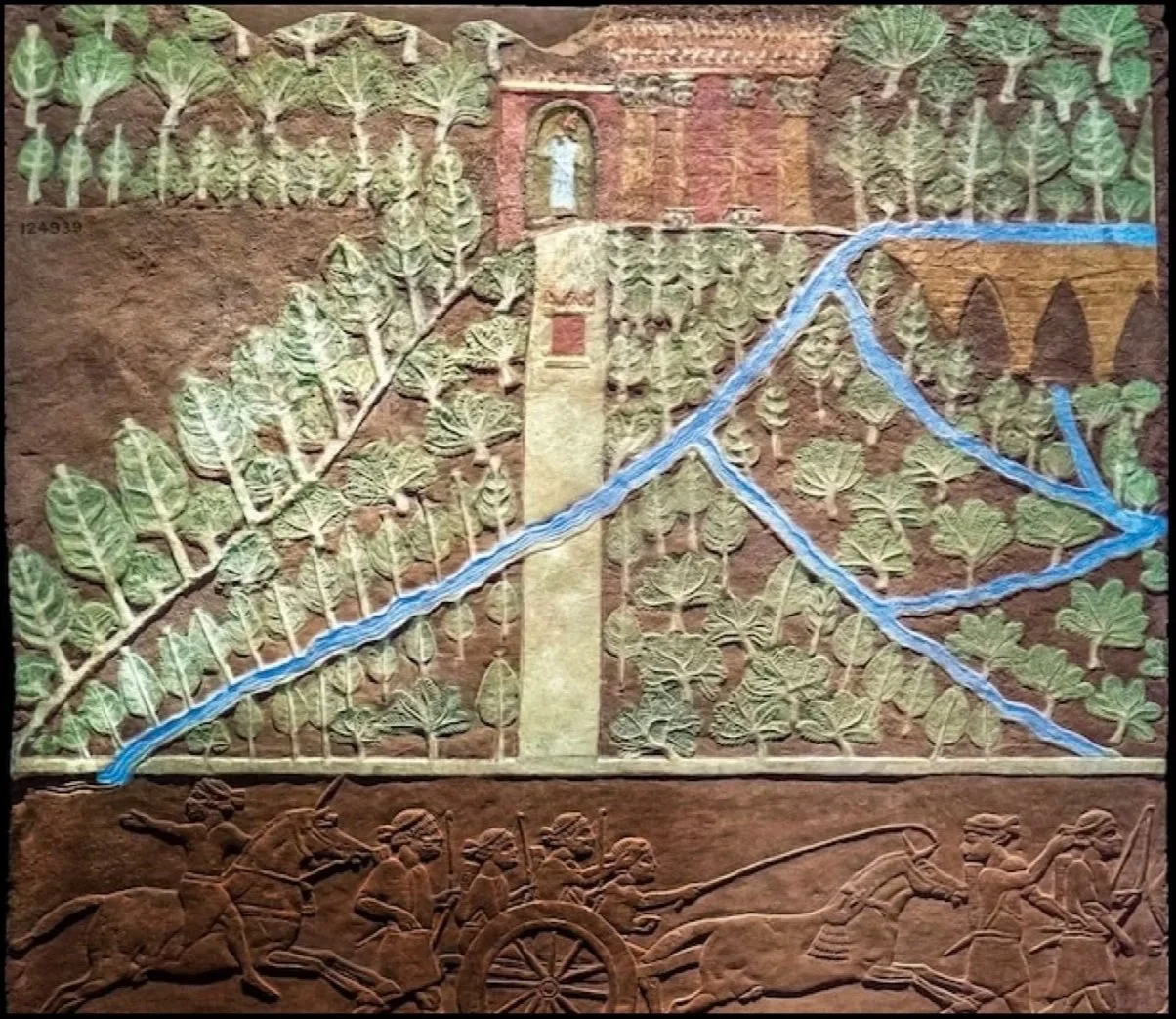
A gypsum wall relief panel from the North Palace of Nineveh, made between 645–635 BCE, depicting the gardens of the Assyrian King, Ashurbanipal, which predated the Hanging Gardens of Babylon.
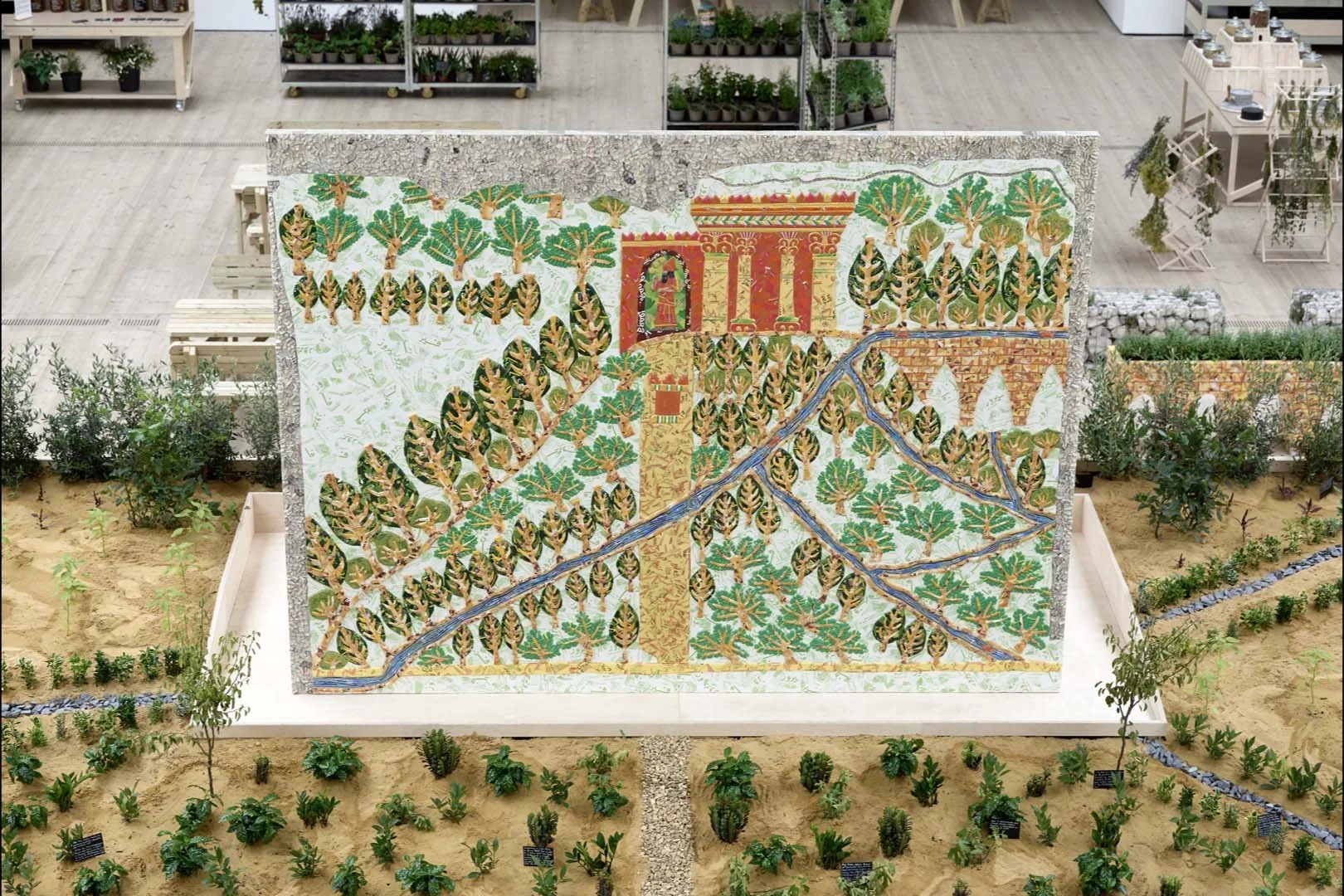
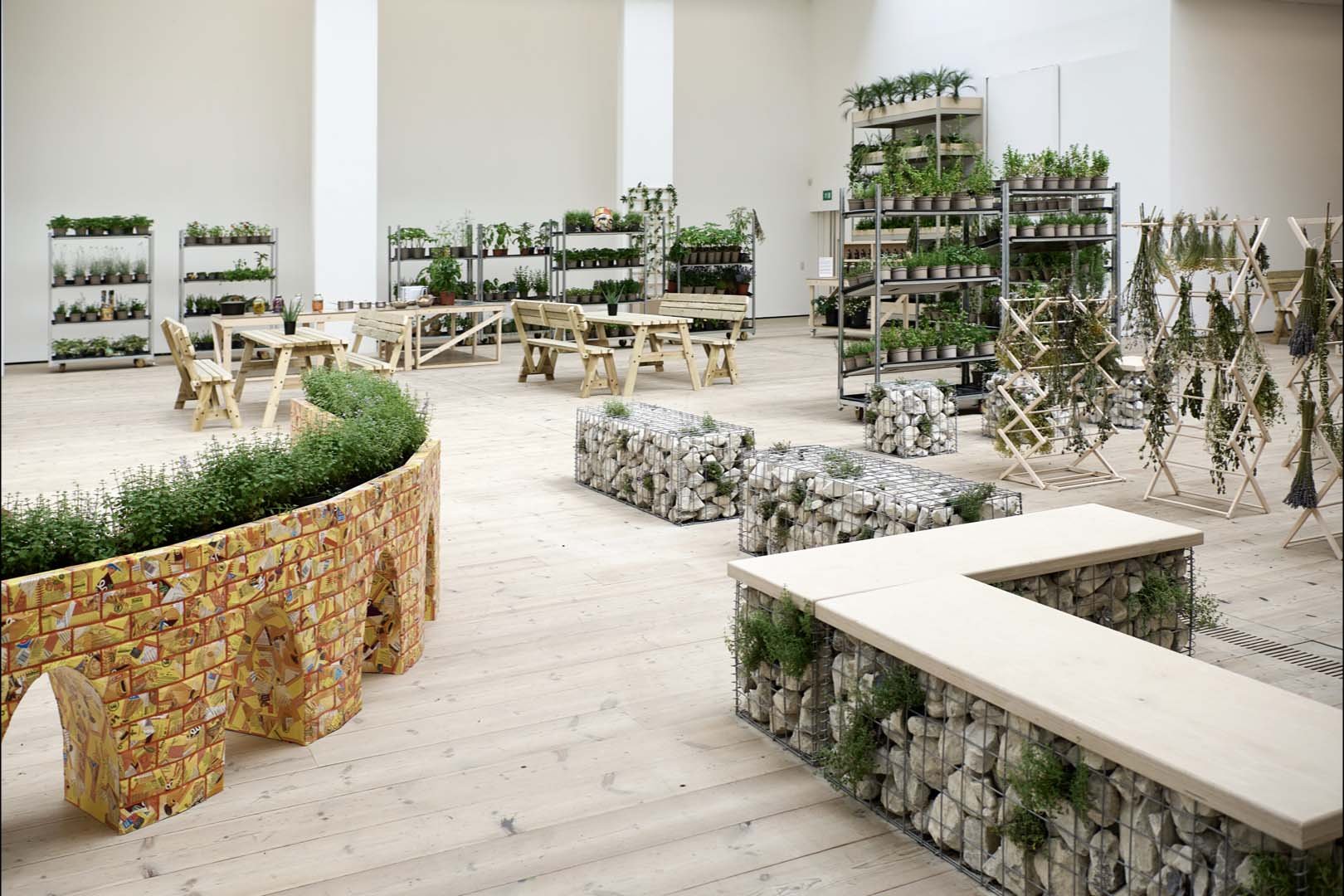
The colors on the panel are those that archaeologists believe were used on the original stone panel. The architectural footprint of the North Palace of Nineveh is recreated in the layout of the garden beds, shelves, and workstations behind the panel, on the gallery floor.
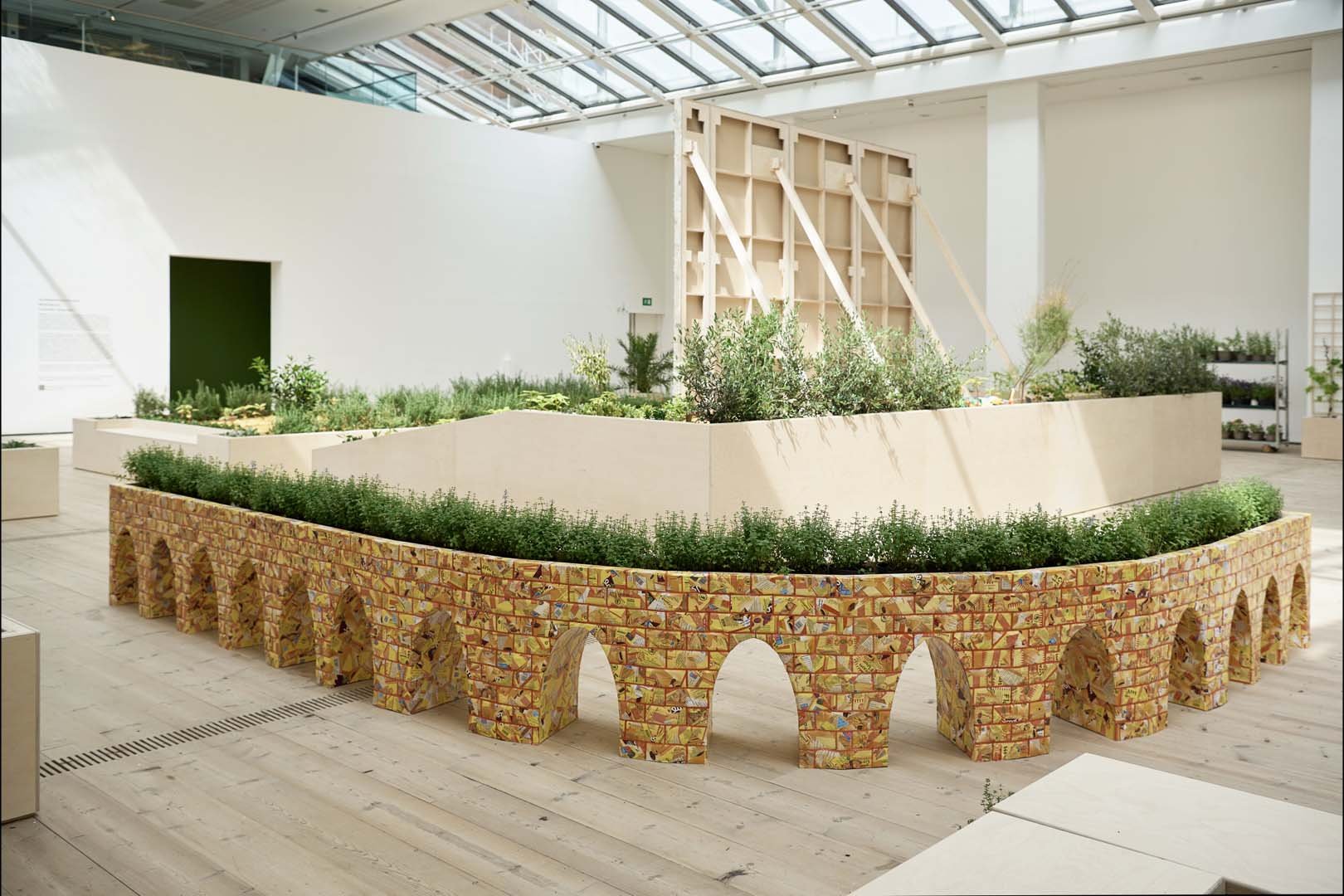
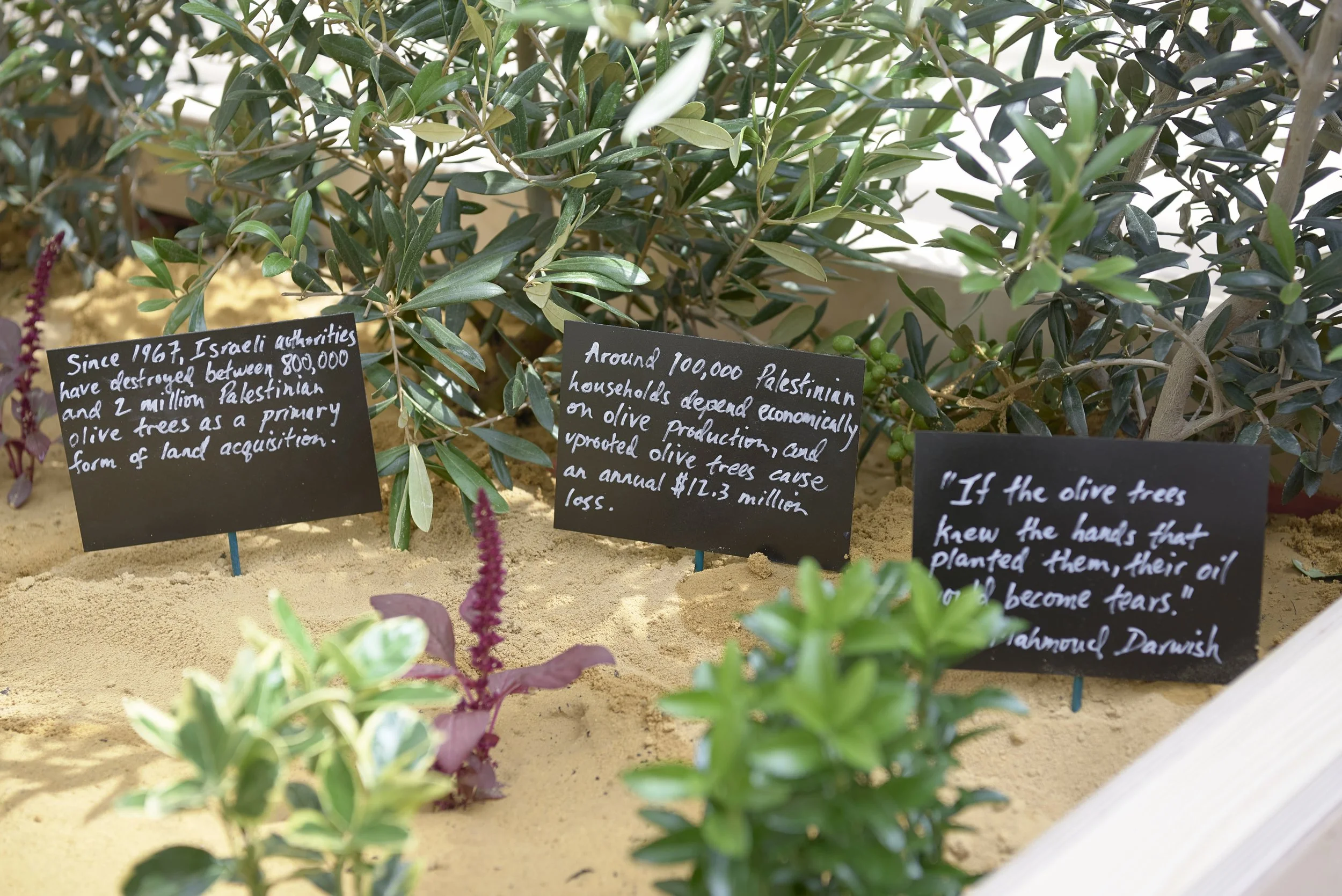
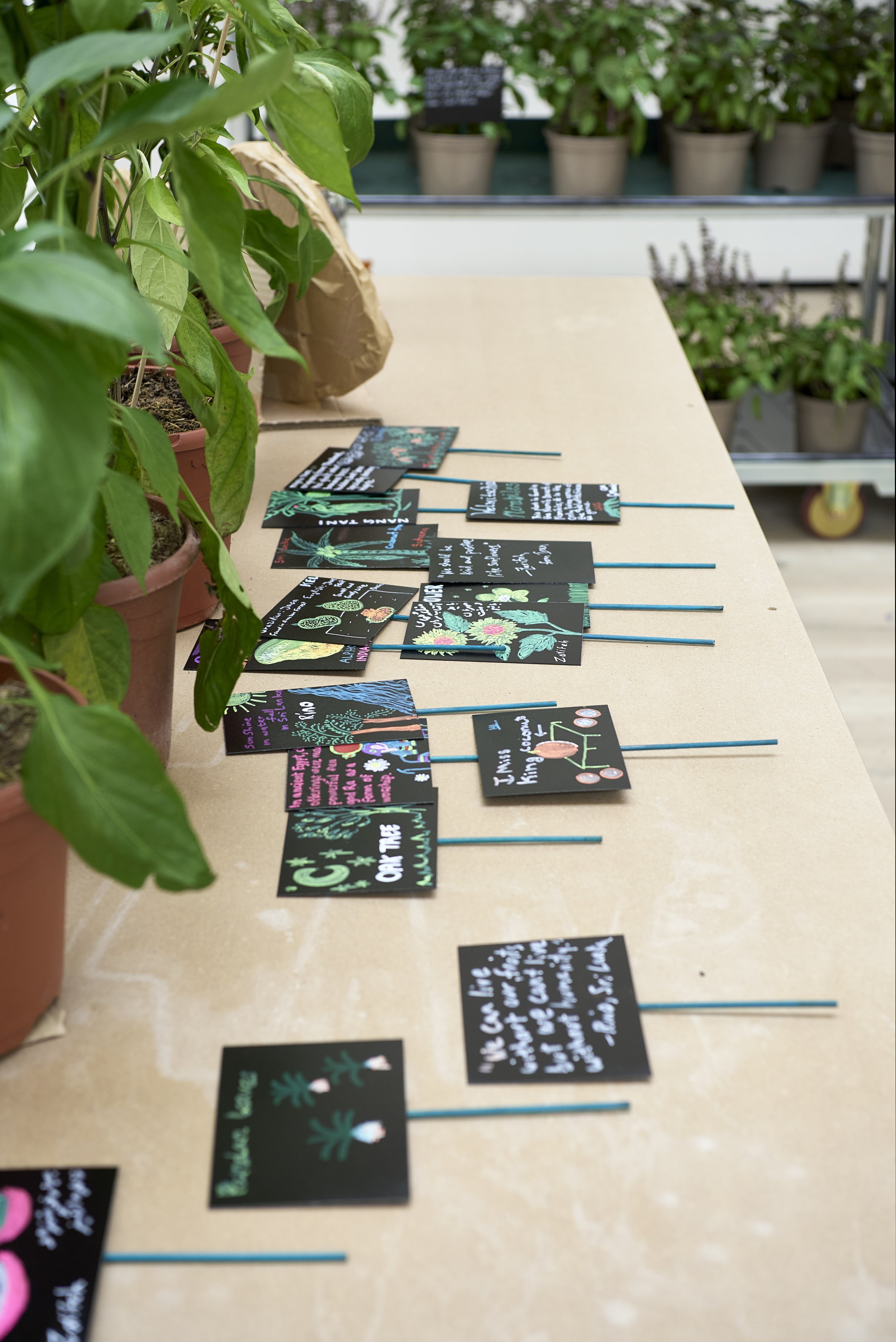
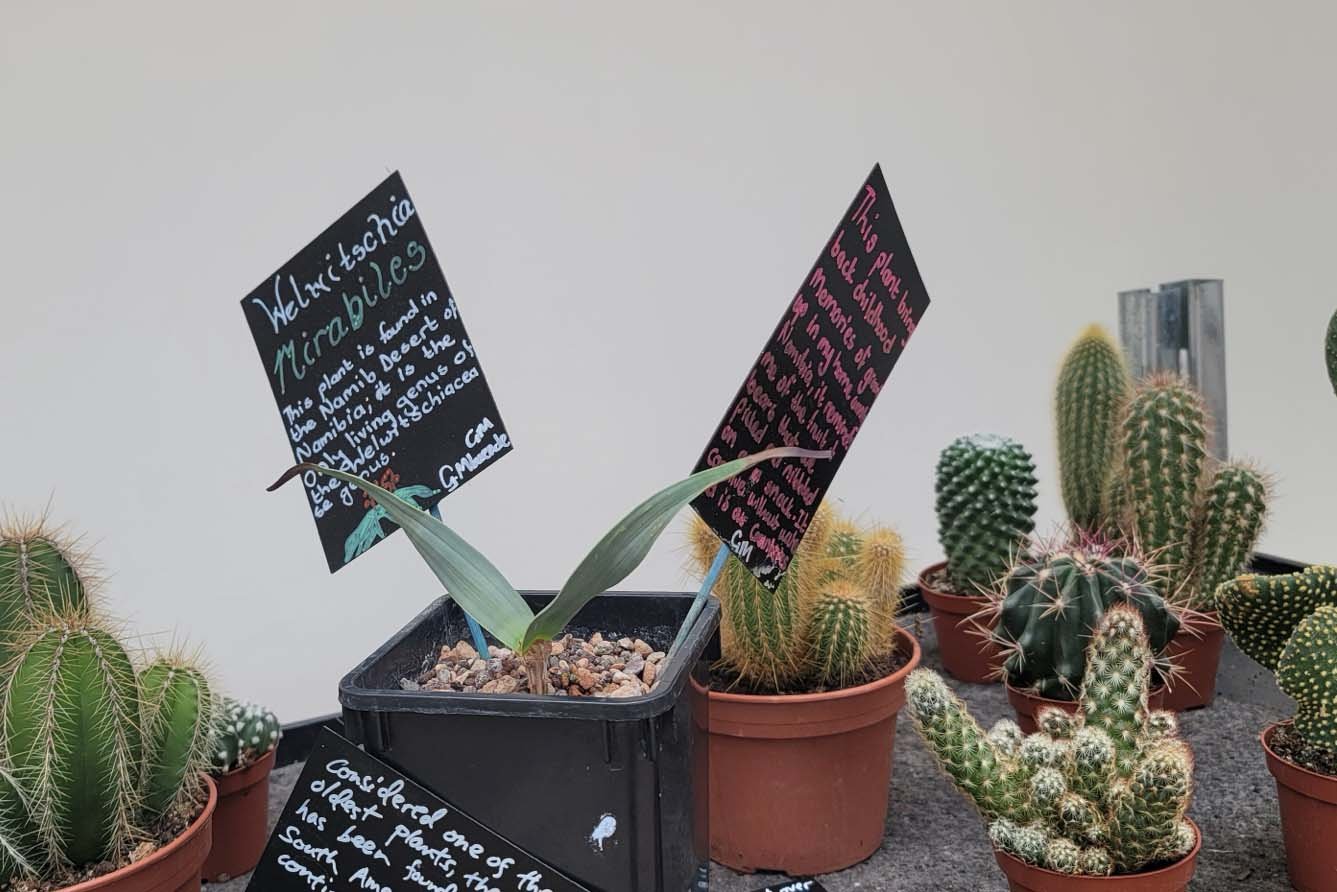
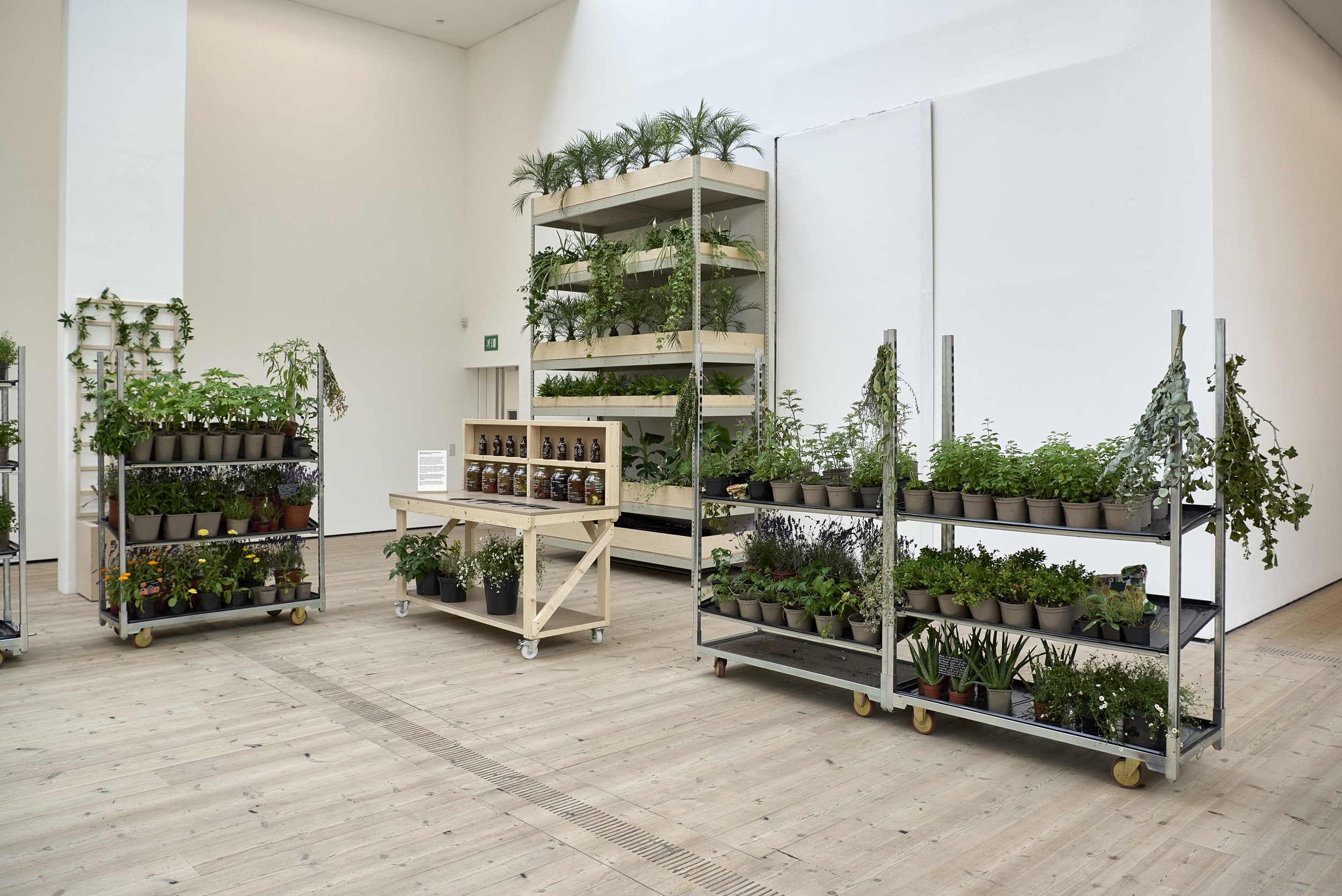
The Waiting Gardens of the North features trees, plants, flowers, and herbs requested by the local community of migrants, who miss aspects of their home landscapes, and wish to make them take root, whilst they wait, hopefully, to take root themselves. A hanging garden for lives hanging in the balance.
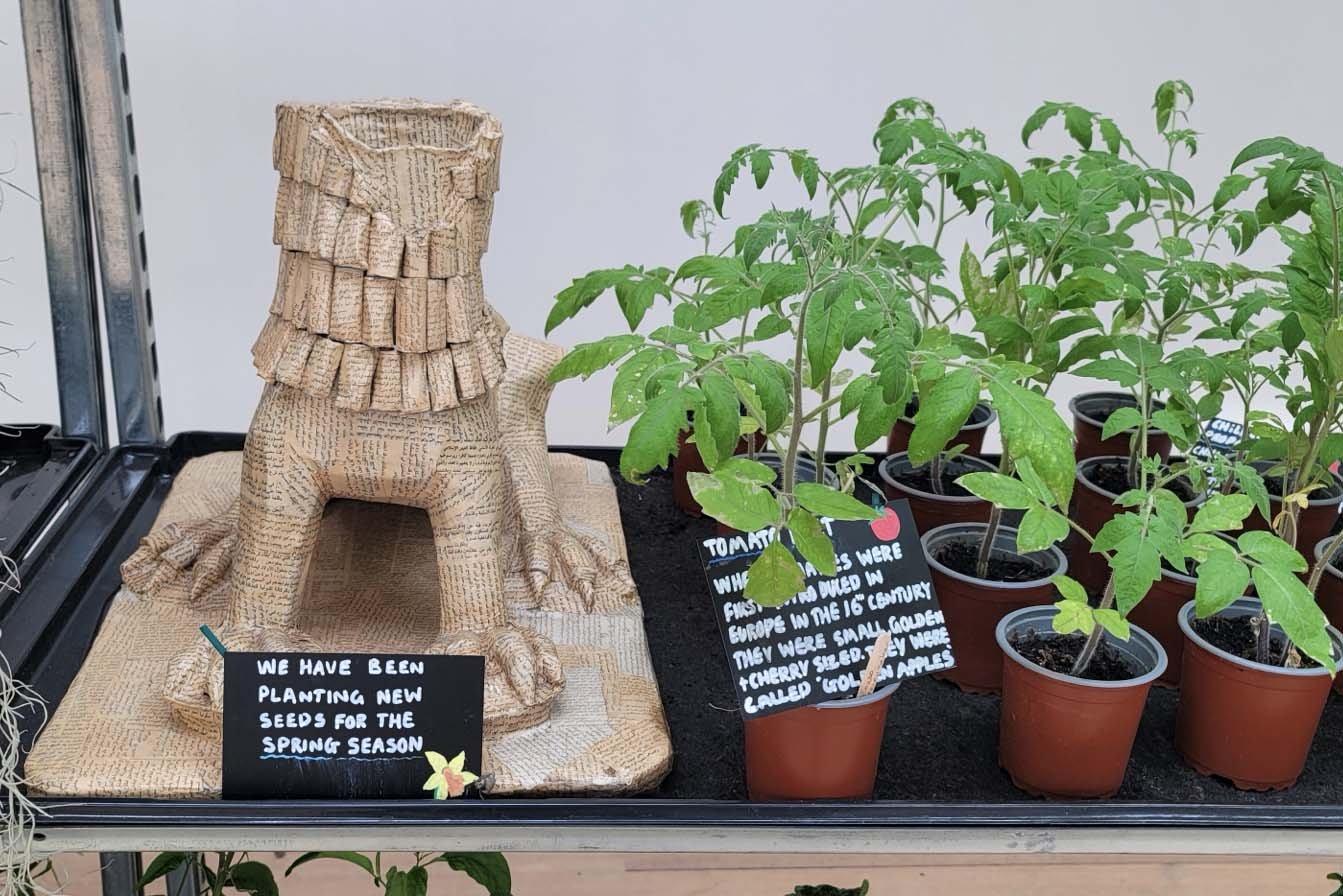
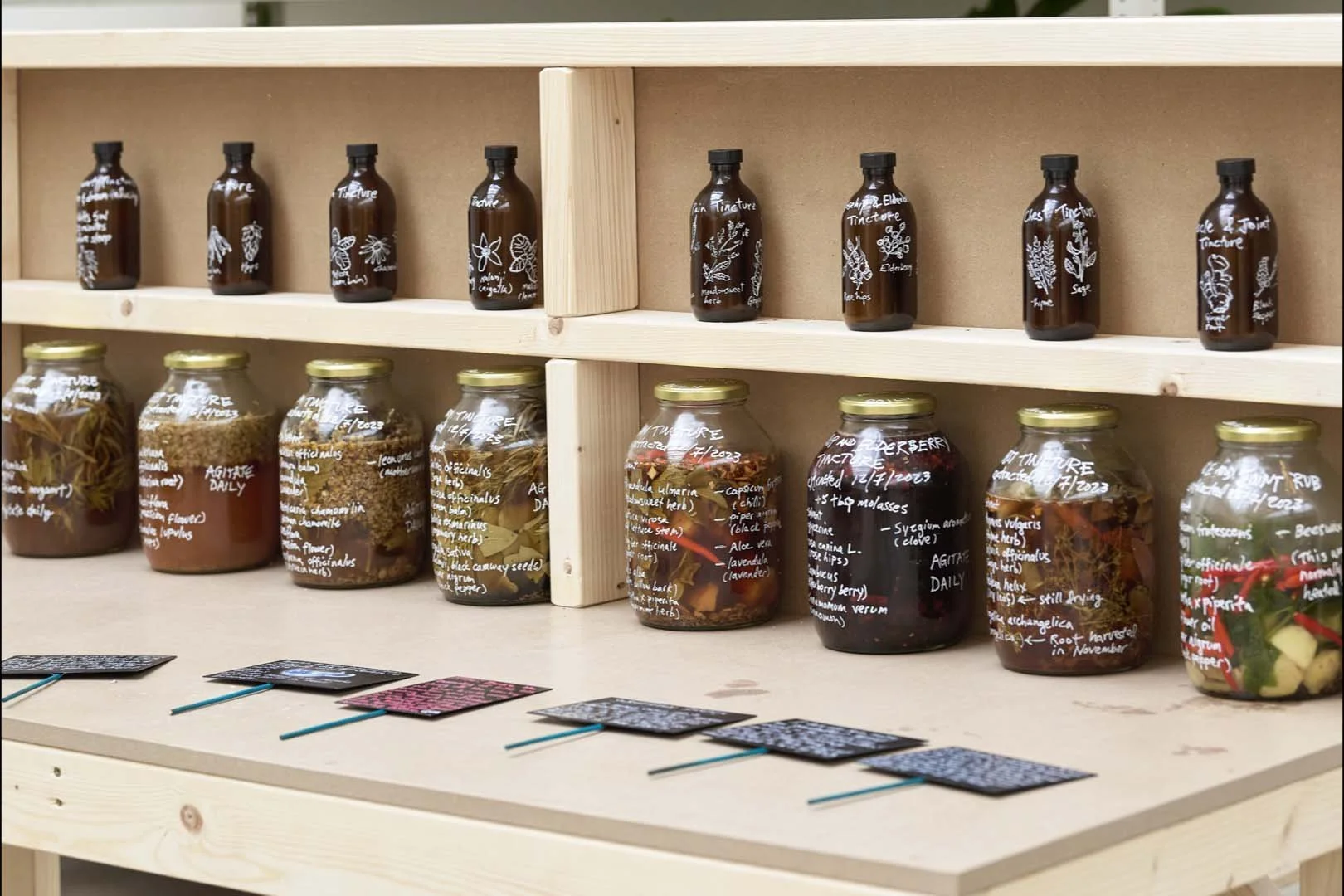
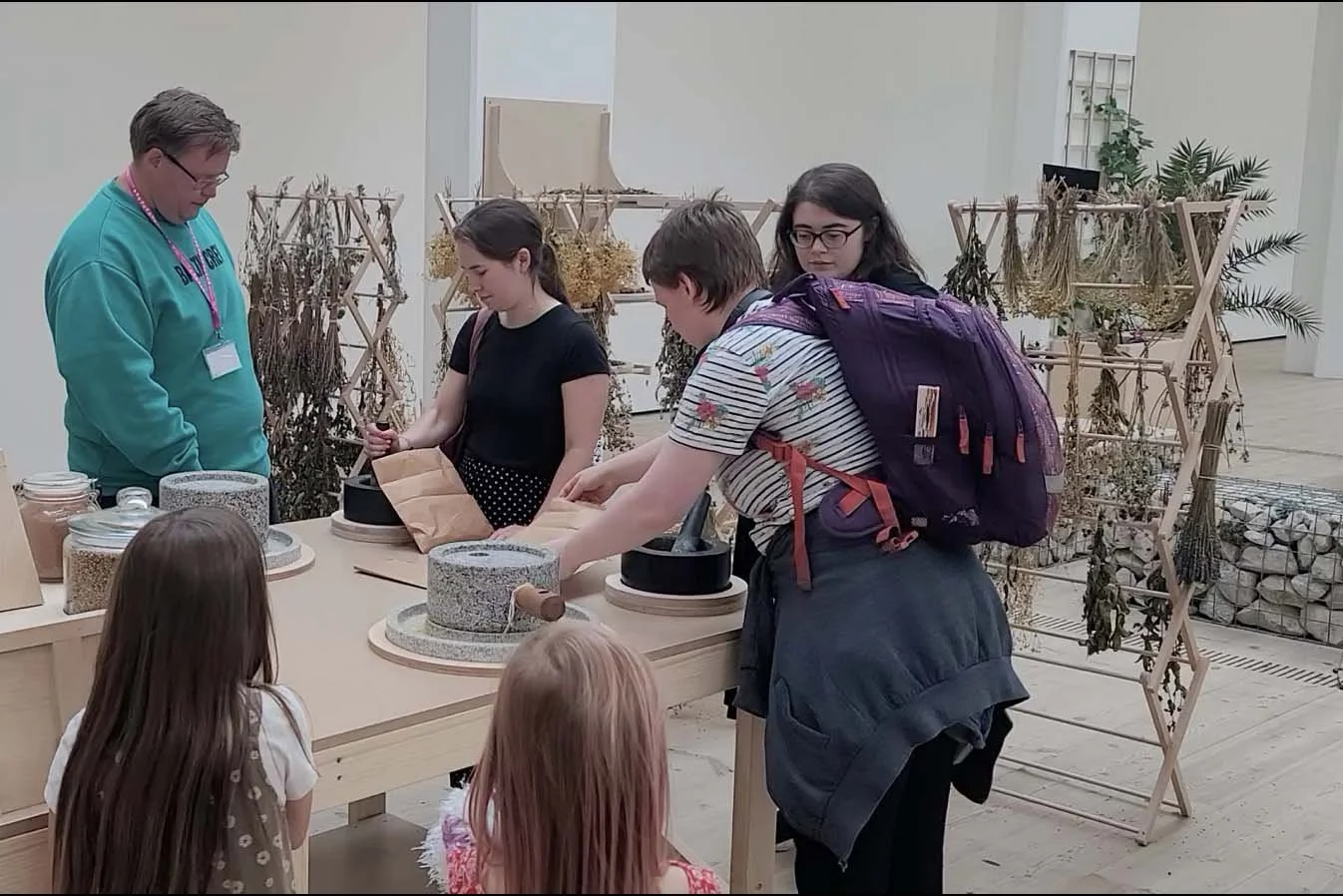
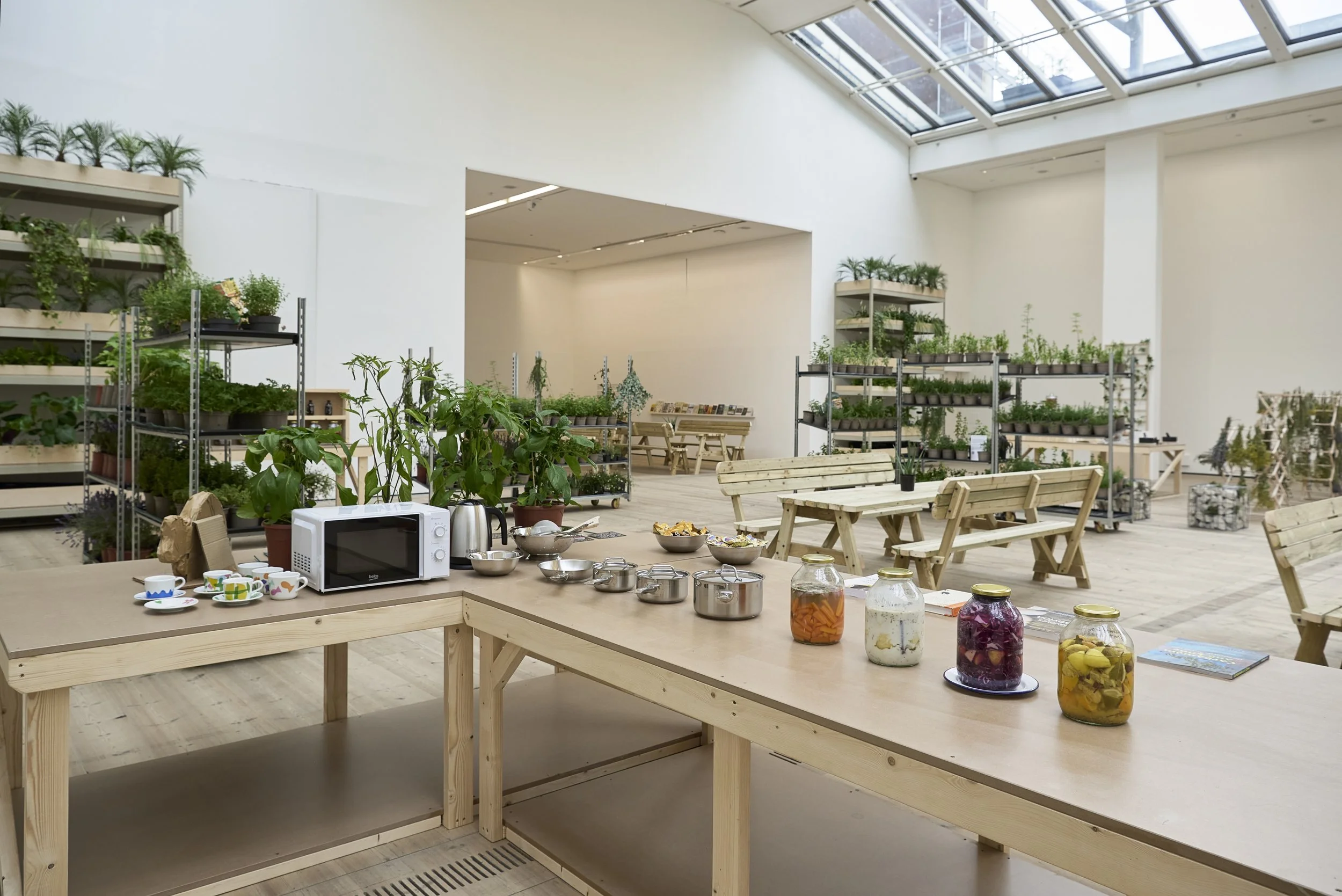
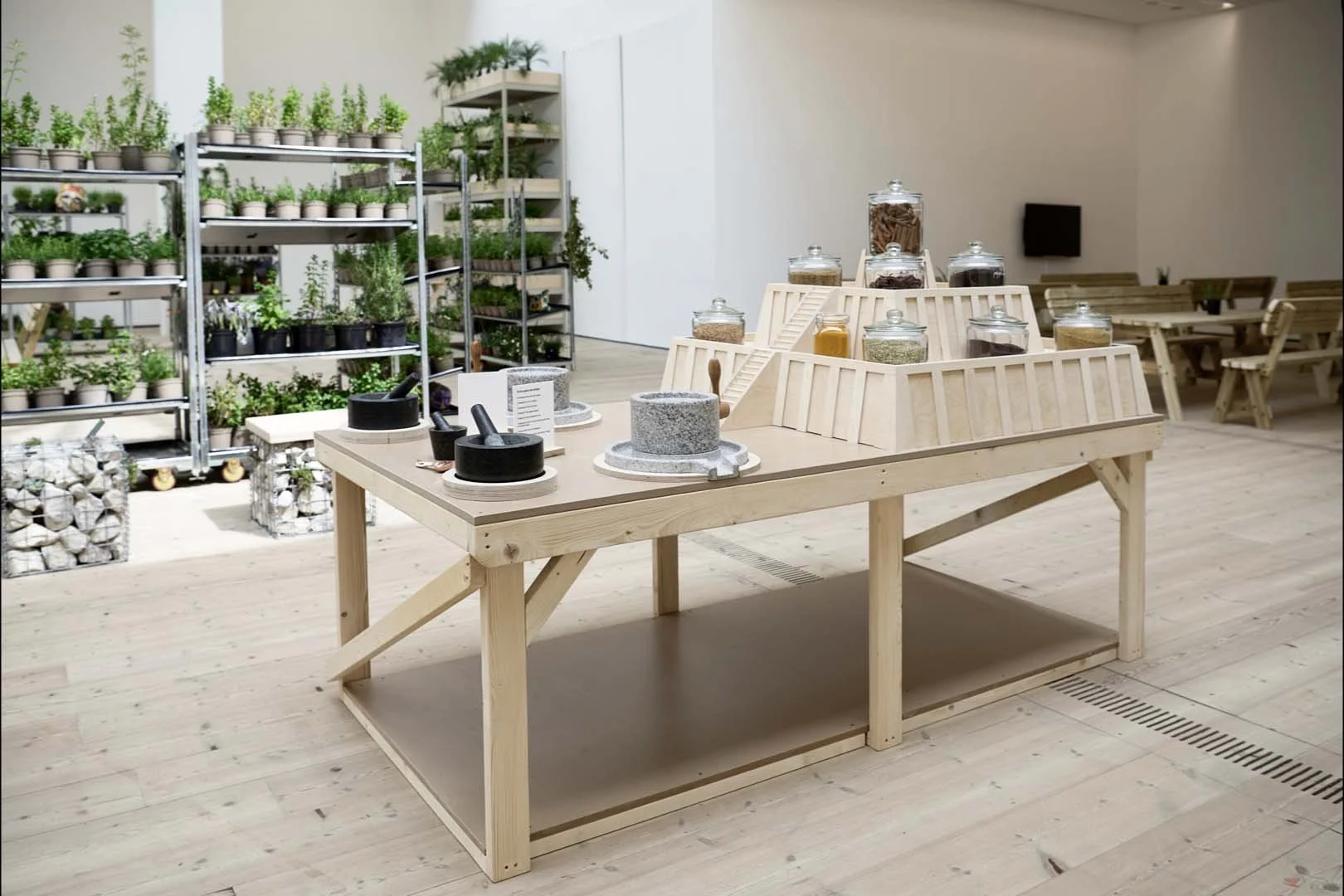
The garden is meant to be harvested and features four stations: for tea-drying, spice-grinding, distillation of tinctures, and cooking.
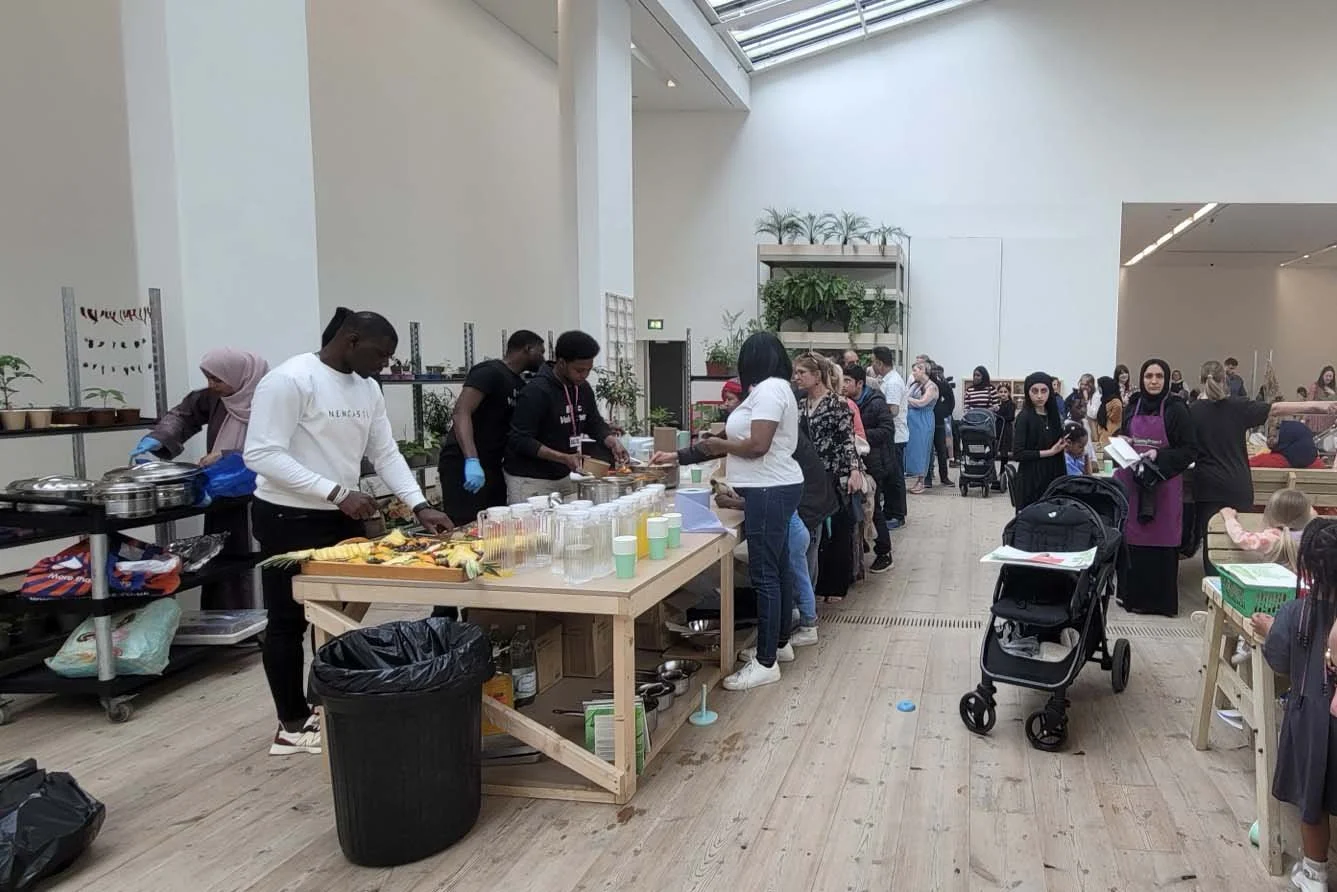
Many displaced persons are temporarily resettled in places like hotels, where they do not have access to kitchens; unable to host, they are perpetually stuck in the position of guest. My hope is that this space can support them to become hosts at Baltic.